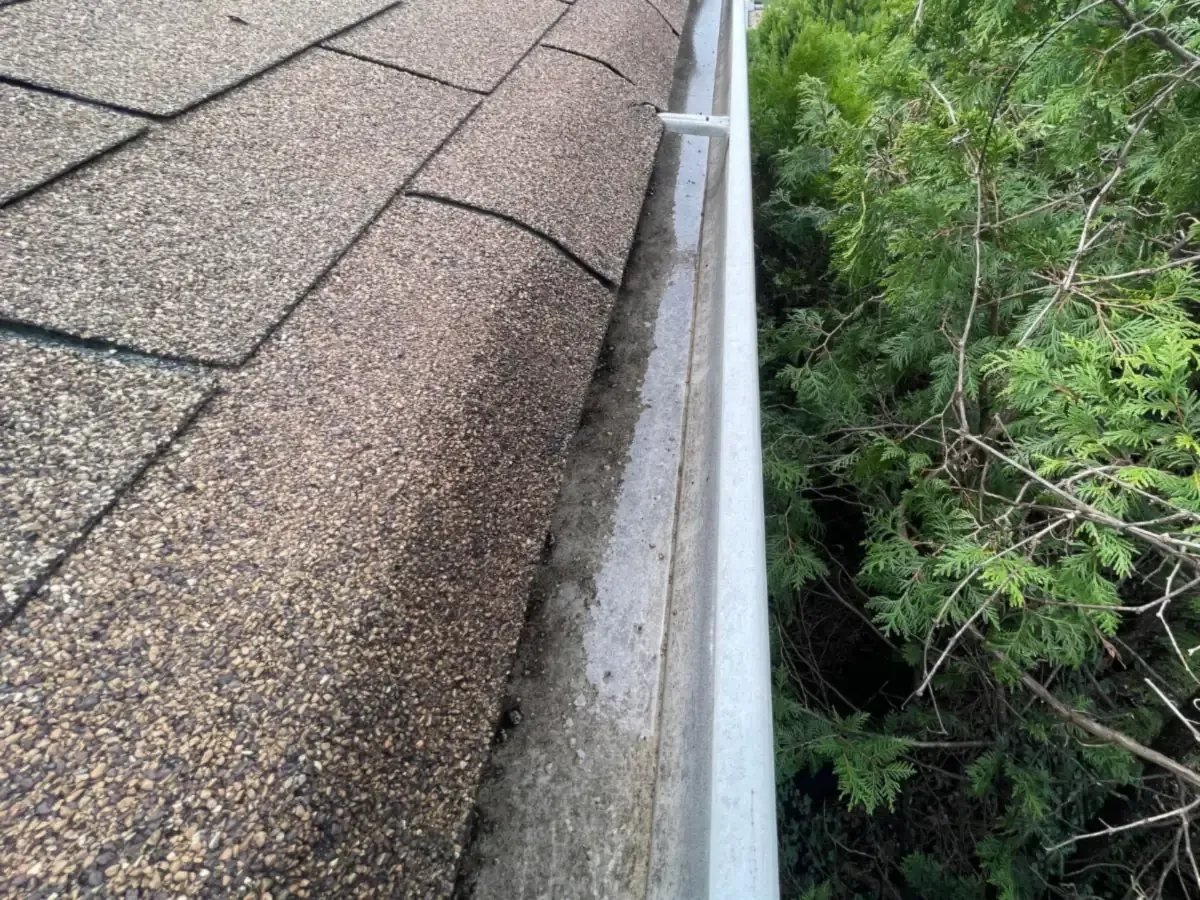

Parts of a Roof, Explained for Baltimore Homeowners
What each part of your roof does, what usually goes wrong with it, and what to call it when you call us about a problem.
I'm often up on a roof, so a text usually reaches me fastest, but call anytime.
What are the parts of a roof?
A pitched roof is built in layers. From the bottom up, it has rafters or trusses, the roof deck, ice and water shield, drip edge, underlayment, a starter strip and shingles. Flashing seals the chimney, walls and valleys. Pipe boots seal vent pipes. Ridge vents, soffit vents, fascia and gutters move air and water off the house.

What does each part of a roof do?
Every roof term from A to Z, what it does, and what usually goes wrong with it. The orange number matches the diagram. Each part has its own link, so you can send it to someone or come back to it.
| Part | What it does | What usually goes wrong |
|---|---|---|
| Chimney cap | The metal cover over the chimney flue (the opening inside the chimney that smoke goes up). It keeps rain, leaves and animals out of the chimney. | A missing or rusted cap lets water run straight down inside. Chimney cap installation |
| Chimney crown | The concrete slab across the head of the chimney, around the flue. It should slope so water runs off. | Cracks let water into the brick, and Baltimore's freeze and thaw winters make them bigger. Chimney crown repair |
| 9 Chimney flashing | The metal that seals where the chimney comes through the roof: an apron across the front, step flashing up the sides and a back pan or cricket behind it. | A common spot for leaks, especially when it's been patched with tar or caulk instead of being set into the brick. Chimney flashing repair |
| 10 Counterflashing | Metal set into a cut in the mortar that laps down over the chimney or wall flashing, so water can't get behind it. | It pulls out of the mortar joint, or someone smeared caulk over it instead of resetting it. Chimney flashing repair |
| 19 Downspout | Carries gutter water down and away from the house. | A clogged or disconnected downspout dumps water right at the foundation, which is how a lot of basements end up wet. Gutter repair and cleaning |
| 4 Drip edge | The metal strip along the edges of the roof. It sends water into the gutter instead of letting it curl back onto the wood. | Plenty of older roofs never had it. When it's missing, I usually find rotted fascia and deck edges. Roof repair |
| 17 Fascia | The board along the bottom edge of the roof that the gutters hang on. | When water gets behind the gutter or the drip edge, the wood rots and the gutters start to sag. Soffit and fascia repair |
| Flashing | Bent metal that seals the spots where the roof meets something else, like a chimney, a dormer, a wall or a vent. | A lot of the leaks I find start here. Old caulk dries out, nails back out, and the metal rusts or gets pulled loose. Roof flashing repair |
| 18 Gutter | Catches the water coming off the roof and carries it to the downspouts. | When it clogs, sags or pulls away, water spills over and soaks the fascia, the siding and the foundation. Gutter repair and cleaning |
| 3 Ice and water shield | A sticky rubberized membrane under the shingles at the eaves, in valleys and around chimneys. It seals around the nails where water backs up or runs heaviest. | Missing on a lot of older roofs, so leaks show up after snow or a hard, wind-driven rain. Roof leak repair |
| 11 Pipe boot (plumbing vent) | The rubber collar that seals around the plumbing vent pipe sticking out of your roof. | The rubber cracks in the sun over the years, and water runs right down the pipe into the house. It's one of the most common small leaks I fix. Roof leak repair |
| 1 Rafters or trusses | The wood frame that holds the roof up. The roof deck is nailed to it. | Dark water stains on the wood show where a leak has been getting in. I check them from the attic when I'm tracking a leak. Roof leak repair |
| 20 Rake edge | The sloped edge of the roof on the gable end. | It takes a lot of wind, so the shingles and trim along it get lifted or blown off. Loose rake trim lets water and critters in. Soffit and fascia repair |
| 14 Ridge and ridge cap | The ridge is the peak where two slopes meet. Ridge cap shingles cover it. | Wind lifts and cracks ridge caps, and water gets in at the peak. Ridge and shingle repair |
| 13 Ridge vent | A vent along the peak, under the ridge cap, that lets hot, damp air out of the attic. | A vent that wasn't put in right can let rain blow in. Roof leak repair |
| 2 Roof deck (sheathing) | The plywood, OSB or boards nailed to the rafters. Everything else is fastened to it. | A leak that goes on for a while rots it, and you'll feel soft or spongy spots when you walk on it. I replace the bad sections when I find them during a repair. Roof repair |
| 7 Shingles | The part you see. They shed water down the roof and protect everything under them. | Wind tears them off, the granules wear away with age, and tree limbs crack them. A few missing shingles is usually a repair, not a new roof. Shingle replacement |
| 15 Soffit | The underside of the roof overhang, between the fascia and the wall. | Rotted or broken soffits let in water, squirrels and birds. Soffit and fascia repair |
| 16 Soffit vent | Vents in the soffit that let fresh air into the attic. That air leaves through the ridge vent, which helps keep the attic dry. | Painted over or blocked, so the attic stays hot and damp. Soffit and fascia repair |
| 6 Starter strip | The first row along the roof edge, with a sealant strip, so the bottom row of shingles stays glued down and the joints above it are covered. | When it's skipped, the first row of shingles lifts and blows off in wind. Shingle replacement |
| 8 Step flashing | Small L-shaped metal pieces woven in with each row of shingles where a sloped roof runs along a wall or the side of a chimney. | When it's missing, or someone used one long strip and caulk instead, water gets behind the siding and shows up on a wall or ceiling inside. Roof flashing repair |
| 5 Underlayment | The layer between the shingles and the wood. It's the backup that catches water that gets past the shingles. Newer roofs use synthetic underlayment. Older ones used felt paper. | Felt paper dries out and tears with age, and once the shingles over it are gone, sun and rain break it down fast. Roof leak repair |
| 12 Valley | Where two roof slopes meet and form a channel. Some valleys have a metal liner, others are woven or cut shingles over ice and water shield. | It carries more water than any other spot on the roof, so worn shingles, packed leaves and bad nailing there turn into leaks. Roof leak repair |
What are the parts of a slate roof?
A slate roof is built in layers too, but with different parts. From the bottom up, it has rafters, wood board sheathing, a copper drip edge, a cant strip, felt paper, a doubled starter course and the slate. Copper nails hold each slate, and copper flashing seals the chimney, valleys and vent pipe.

- Rafters: the frame that holds the roof up. Slate is heavy, so the frame has to be sound.
- Board sheathing: solid wood boards nailed across the rafters. Older homes have boards, not plywood, and rotted boards get replaced with boards of the same thickness.
- Copper drip edge: sends water off the roof edge and into the gutter.
- Cant strip: a wood strip along the eave that tilts the first row of slate so it lies at the same angle as the rest.
- Felt paper: 30 lb or heavier felt under the slate. It cushions the stone and backs it up, but the slate is what keeps the house dry.
- Starter course: a doubled first row at the eave, so every joint is covered from the first row on.
- Slate: natural stone, laid in rows with a headlap of about 3 inches over the row two below.
- Copper slating nails: two per slate, set so the slate hangs on the nail instead of being pinned down tight.
- Slate hook: a small copper hook that holds a replacement slate in place, so one broken slate can be swapped without tearing up the rows around it.
- Snow guards: small copper guards set in staggered rows above the eave so snow melts off slowly instead of sliding off all at once.
- Copper step flashing: one piece tucked in with each row of slate where the roof meets the chimney or a wall.
- Copper apron flashing: covers the low side of the chimney where the roof runs into it.
- Copper counterflashing: set into the chimney mortar and laps over the flashing below it.
- Copper pipe flashing: a copper sleeve around the plumbing vent, in place of the rubber boot a shingle roof uses.
- Open copper valley: a copper lined channel where two slopes meet, with the slate cut back along each side.
- Slate ridge (saddle ridge): slates lapped over the peak. Some roofs use a copper ridge roll instead.
- Soffit: the underside of the roof overhang.
- Fascia: the board at the roof edge that holds the gutter.
- Gutter: catches water coming off the roof. On slate roofs it is often copper, to match the flashing.
- Downspout: carries water away from the house.
How a slate roof differs from a shingle roof
- Slate is nailed, not glued down. There are no sealant strips like on asphalt shingles.
- The slate itself often outlasts the flashing and nails by decades. Most slate leaks come from worn flashing, broken slates or old rusted nails, not the stone.
- A broken slate can usually be replaced on its own with a slate hook or a copper nail and a copper bib, which is why a slate roof is usually worth repairing.
- Roofing tar and caulk on slate are a short fix that makes the next repair harder.
- Flashing, nails and gutters stay one metal, usually copper, so they don't corrode each other.
What is under roof shingles?
Under the shingles are the layers that keep water out when a shingle fails. Along the edge there's a starter strip, then synthetic underlayment over the whole roof, ice and water shield at the eaves and valleys, metal drip edge on the edges, and the plywood or OSB roof deck nailed to the rafters.
From the bottom up: Rafters or trusses → Roof deck (sheathing) → Drip edge → Ice and water shield → Underlayment → Starter strip → Shingles
What is roof flashing?
Roof flashing is bent metal that seals the spots where the roof meets something else, like a chimney, a wall, a skylight, a valley or a vent pipe. Shingles can't seal those joints by themselves, so flashing laps over and under them and steers water past the gap.
Kinds of flashing: Step flashing, Chimney flashing, Counterflashing, Valley, Pipe boot (plumbing vent).
What goes wrong: a lot of the leaks I find start at flashing, not out in the middle of the shingles. The usual causes are counterflashing that has pulled out of the mortar, rusted step flashing, a cracked pipe boot, or a joint that someone patched with tar or caulk instead of fixing the metal. I repair flashing on shingle, slate, metal and flat roofs. Roof flashing repair
What is the difference between fascia and soffit?
Fascia is the flat board that runs along the roof edge, facing out, and the gutters hang on it. Soffit is the panel under the roof overhang, facing down, between the fascia and the wall. Soffit vents let fresh air into the attic. Both rot when gutters overflow or the drip edge is missing.
Air comes in through the soffit vents and leaves through the ridge vent, which helps keep the attic dry. When I replace rotted fascia or soffit, I also look at the gutter and drip edge above it, because that's usually where the water came from. Soffit and fascia repair
Where do the parts sit on a house?
What roofing materials are common in Baltimore?
Most Baltimore-area houses have asphalt shingles, either the older flat 3-tab kind or thicker architectural shingles. Rowhouses and porches usually have flat roofs: modified bitumen, rubber, or a coating. Older homes in the city and the north county often have slate, with copper or metal on bays, porches and flashing.
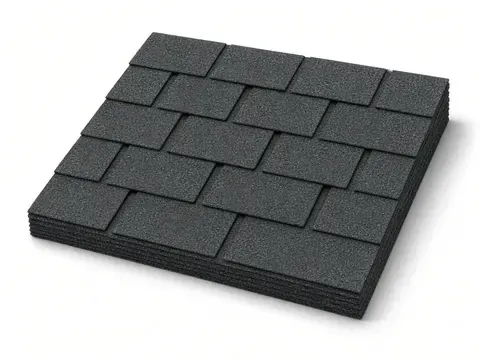
3-tab asphalt shingles
Flat, single-layer shingles with even cutouts. You still see a lot of them on homes reroofed in the '80s and '90s.
Typical lifespan: 15 to 20 years
What usually fails: Tabs crease and blow off in wind, the edges curl, and the granules wear off.
What I repair: I replace blown-off tabs and reseal loose ones. Matching an old 3-tab color can be hard, and I'll tell you up front if a patch will show.
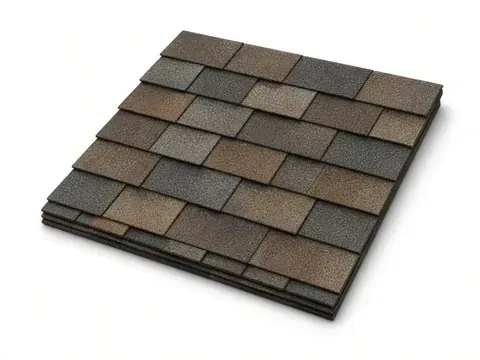
Architectural shingles
Thicker, laminated shingles with a layered look. They're what most reroofs around here get now.
Typical lifespan: 20 to 30 years
What usually fails: Wind lifts them at the edges and ridge. Valleys, pipe boots and flashing usually wear out before the shingles do.
What I repair: I replace damaged shingles and ridge caps, and fix valleys, pipe boots and flashing.
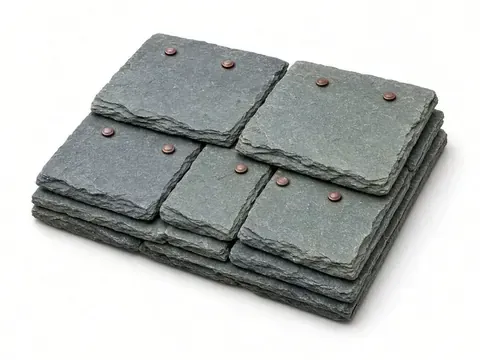
Slate
Natural stone, split into thin pieces and nailed on one at a time. Common on older homes in the city and north county.
Typical lifespan: 75 to 100+ years, with the flashing redone along the way
What usually fails: The stone outlasts everything around it. Nails rust out and slates slide, slates crack when someone walks on them, and the flashing wears out first.
What I repair: I replace single broken or slipped slates and repair the flashing around them, without tearing off the rest of the roof.
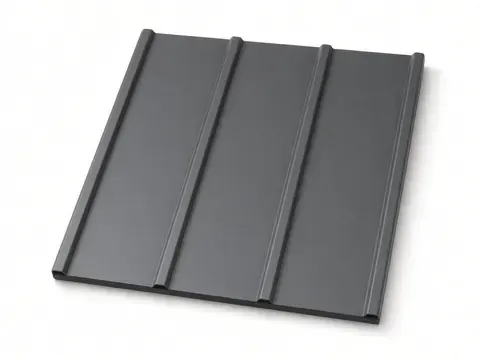
Standing seam metal
Long metal panels joined by raised seams. Around here you see it on porches, bay windows and low slopes.
Typical lifespan: 40 to 60 years
What usually fails: Seams and fasteners loosen, sealant dries out where the metal meets a wall, and older painted steel rusts at scratches.
What I repair: I reseal and repair seams, fix flashing where the metal meets a wall, and patch small rusted spots.
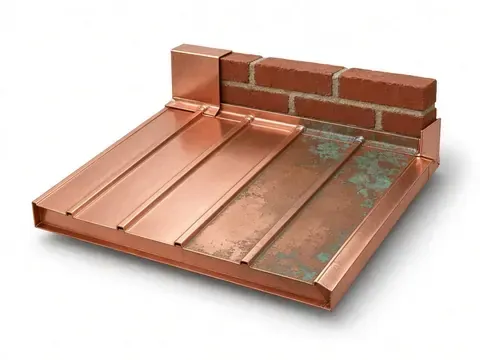
Copper
Soldered copper sheet on bay roofs, valleys, flashing and gutters, mostly on older homes. It turns brown, then green, with age.
Typical lifespan: 60 years and up
What usually fails: Soldered seams crack as the metal expands and contracts, and valleys wear thin where leaves and water sit.
What I repair: I re-solder open seams and replace worn sections of copper flashing and valleys.
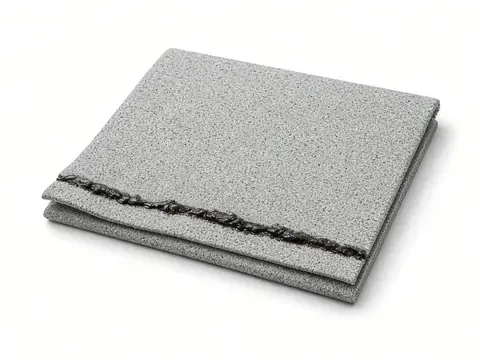
Modified bitumen (flat roof)
Asphalt-based roll roofing with a granulated surface. You see it on rowhouse, porch and addition roofs around Baltimore.
Typical lifespan: 15 to 20 years
What usually fails: Seams open up, the surface cracks from sun, and water sits where the roof doesn't drain.
What I repair: I repair open seams, flashing at parapet walls, and clogged drains and scuppers.
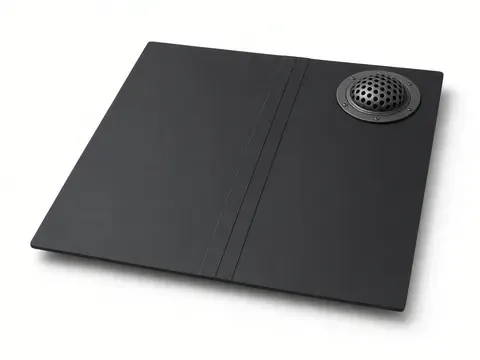
Rubber, EPDM (flat roof)
A single sheet of black rubber, glued or held down, with taped seams. Common on rowhouse and porch roofs.
Typical lifespan: 20 to 25 years
What usually fails: Seam tape lets go, the edges pull back, and it gets punctured by things left up there.
What I repair: I repair seams and punctures, reseal edges, and clear and reseal drains.
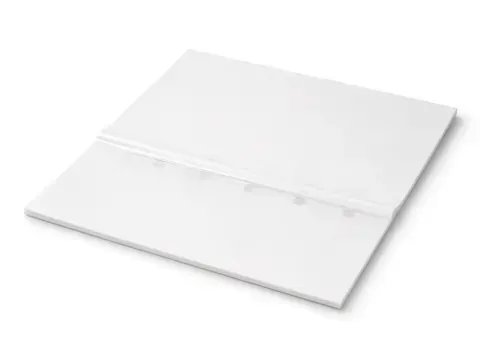
TPO (flat roof)
A white single-ply sheet with heat-welded seams. It reflects sun, so it shows up on newer flat roofs.
Typical lifespan: 7 to 20 years, depending on thickness and the install
What usually fails: Seams fail if they weren't welded right, and the edges and flashing are the weak spots.
What I repair: I repair seams, edges and flashing, and clear drains.
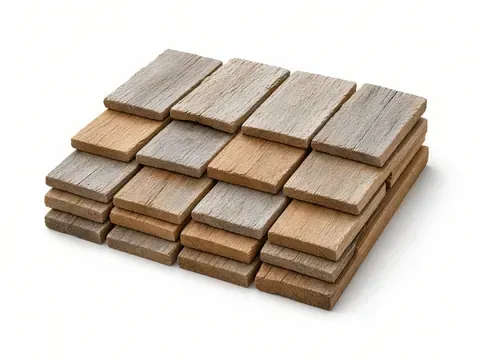
Cedar shake
Split cedar shakes. Less common around here, mostly on a few older or custom homes.
Typical lifespan: 25 to 30 years
What usually fails: Shakes split, cup and rot, especially in shade where moss holds water.
What I repair: I replace split or rotted shakes and repair the flashing. If a roof is too far gone for repairs, I'll say so.
Lifespans are typical ranges with normal upkeep, not promises. Shade, trees, attic airflow and how well the roof was put on all move the number. More on that in my roof lifespan guide and roof materials page.
What are the parts of a flat rowhouse roof?
A lot of Baltimore rowhouses have flat roofs, which really have a slight pitch toward the back or toward a drain. The parts are different from a shingle roof, and so are the problems.
Membrane
The membrane is the waterproof layer, usually modified bitumen, rubber (EPDM) or a coated roof. Sun, standing water and foot traffic wear it out, and it gets punctured by things left up there. Flat roof repair
Seams
Seams are where the sheets of membrane overlap and get sealed together. They're usually the first place a flat roof leaks, when an edge lifts or a seam opens up. Roof leak repair
Parapet walls and coping
The parapet is the short brick wall along the edge of the roof and between rowhouses. The coping is the metal or stone cap on it. Gaps in the coping and cracked brick let water into the wall, and it shows up inside along the party wall.
Scupper
A scupper is the opening in the parapet that lets water drain off the roof into a gutter box or downspout. When it clogs with leaves, water backs up on the roof and finds a way in. Gutter and drain cleaning
Roof drain
Some flat roofs drain through an inside drain in the roof. If the drain clogs or the seal around it fails, you get standing water and a leak right below it. Roof leak repair
I've been on roofs for 24+ years and worked on thousands of homes around Baltimore. I'm licensed and insured, MHIC #154344, and I'm an FAA-licensed drone pilot. We take pictures when we look at your roof, so I can show you these parts on your own house. Not sure which part is the problem? Send me a text or give me a call with the buttons on this page.